Craftsmanship Revealed: Behind the Scenes of Inspecting a Classic Solid Wood Dining Table
Overview of the Inspection Process:
Initial Quality Checks:
Material Inspection: Each piece of solid wood is carefully examined for imperfections, ensuring that only the finest quality timber is used. The wood’s grain, color, and texture are assessed to maintain a uniform and elegant appearance.
Structural Integrity: The table’s framework is inspected for sturdiness and precision. All joints and connections are tested to ensure they meet high standards of durability and reliability.
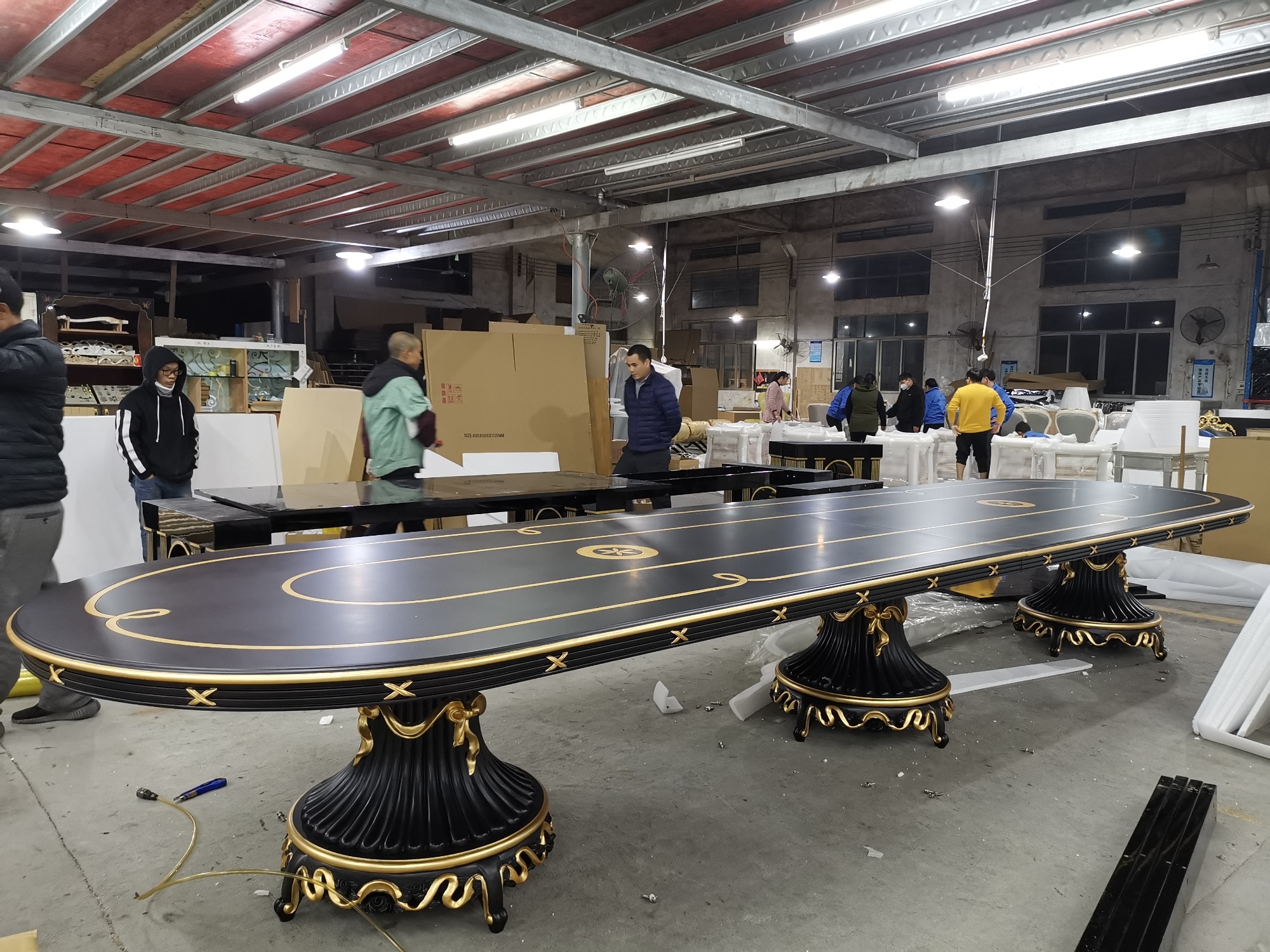 Craftsmanship Examination:
Detailing and Finishing: Skilled artisans check the intricate carvings and decorative elements of the dining table. The finishing touches, including staining and varnishing, are scrutinized to ensure a flawless, smooth surface that highlights the wood’s natural beauty.
Assembly Verification: The table’s assembly is closely examined to confirm that all components fit perfectly. This step guarantees that the table will withstand regular use while retaining its classic aesthetic.
Functional Testing:
Stability and Balance: The table is tested for stability to ensure it remains level and sturdy. Functional tests are conducted to confirm that the table can support the intended weight and usage without wobbling or instability.
Surface Durability: The durability of the table’s surface is tested against scratches, stains, and other potential damage to ensure it maintains its pristine condition over time.
Final Inspection and Packaging:
Final Checks: A final inspection is performed to ensure that the table meets all design specifications and quality standards. Any minor issues are addressed before the table is prepared for packaging.
Protective Packaging: The table is carefully wrapped and packed using protective materials to prevent damage during transportation. Each piece is securely packaged to ensure it arrives in perfect condition.
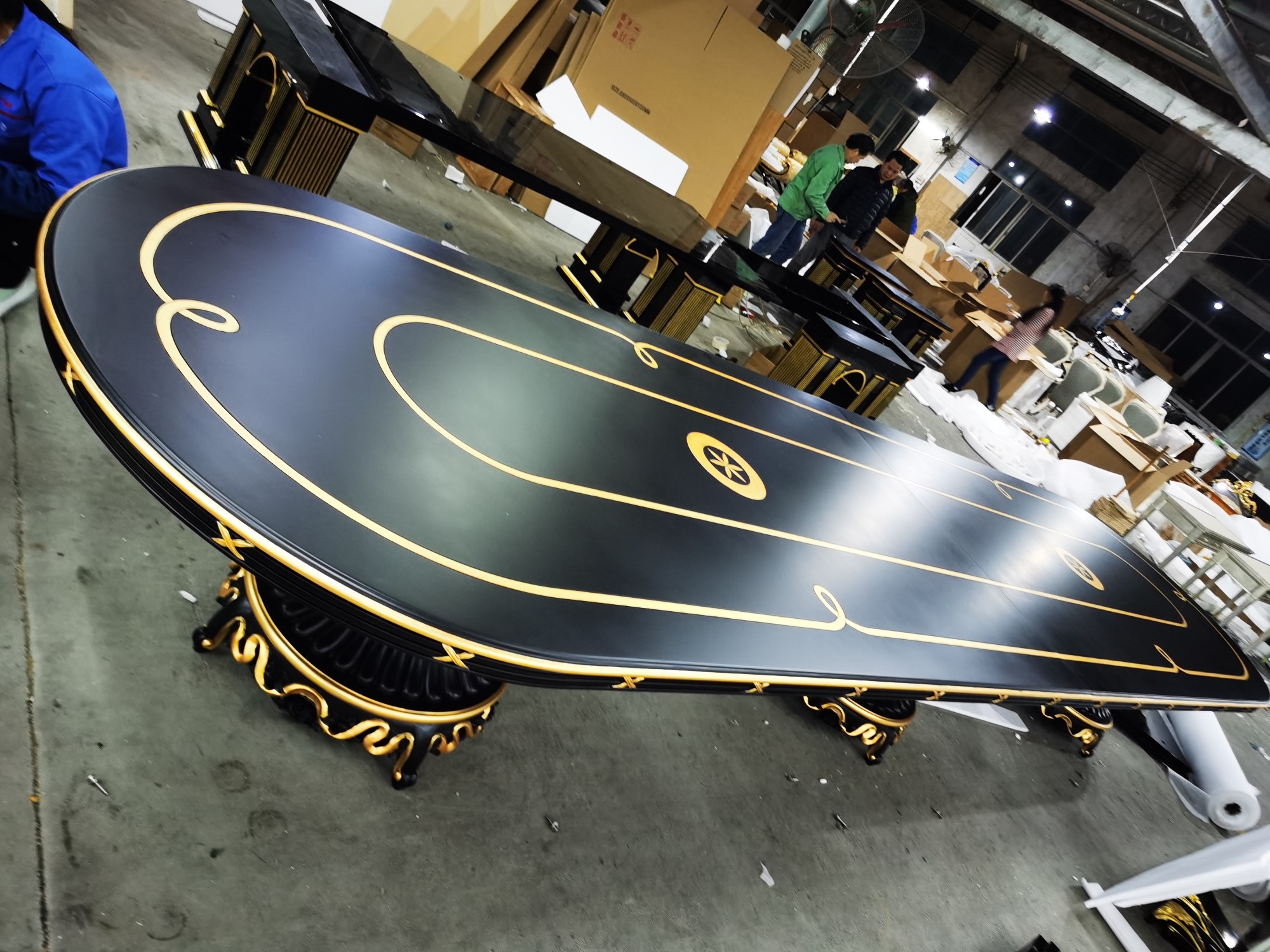

 Craftsmanship Examination:


