Most classical interiors that feel collected were not styled into place. They were specified that way. The rooms read as one because a small number of decisions — wood tone, hardware finish, and how much carving each room can carry — were made once, early, and then held across every piece.
That is a different job from buying furniture room by room. It is also the job a furniture manufacturer is best placed to help with, because the decisions that hold a scheme together are production decisions rather than decorating ones.
Choose the wood tone first, and choose it in person if you can. Everything downstream — upholstery colour, metal finish, how strongly a carved detail reads — is judged against it.
Two rules survive contact with real projects. First, keep one primary wood across the public rooms; a second tone works best as an accent inside a single private room, not as a rival. Second, hold the hardware finish constant. Gilded brass in one room and nickel in the next is the fastest way to make one house look like two.
This is also where working with a single factory pays off. When the frames, panels and loose furniture for a scheme are produced and finished under one roof, the wood tones and paint finishes flow from piece to piece without the visible seam that appears when two suppliers are asked to match a sample.
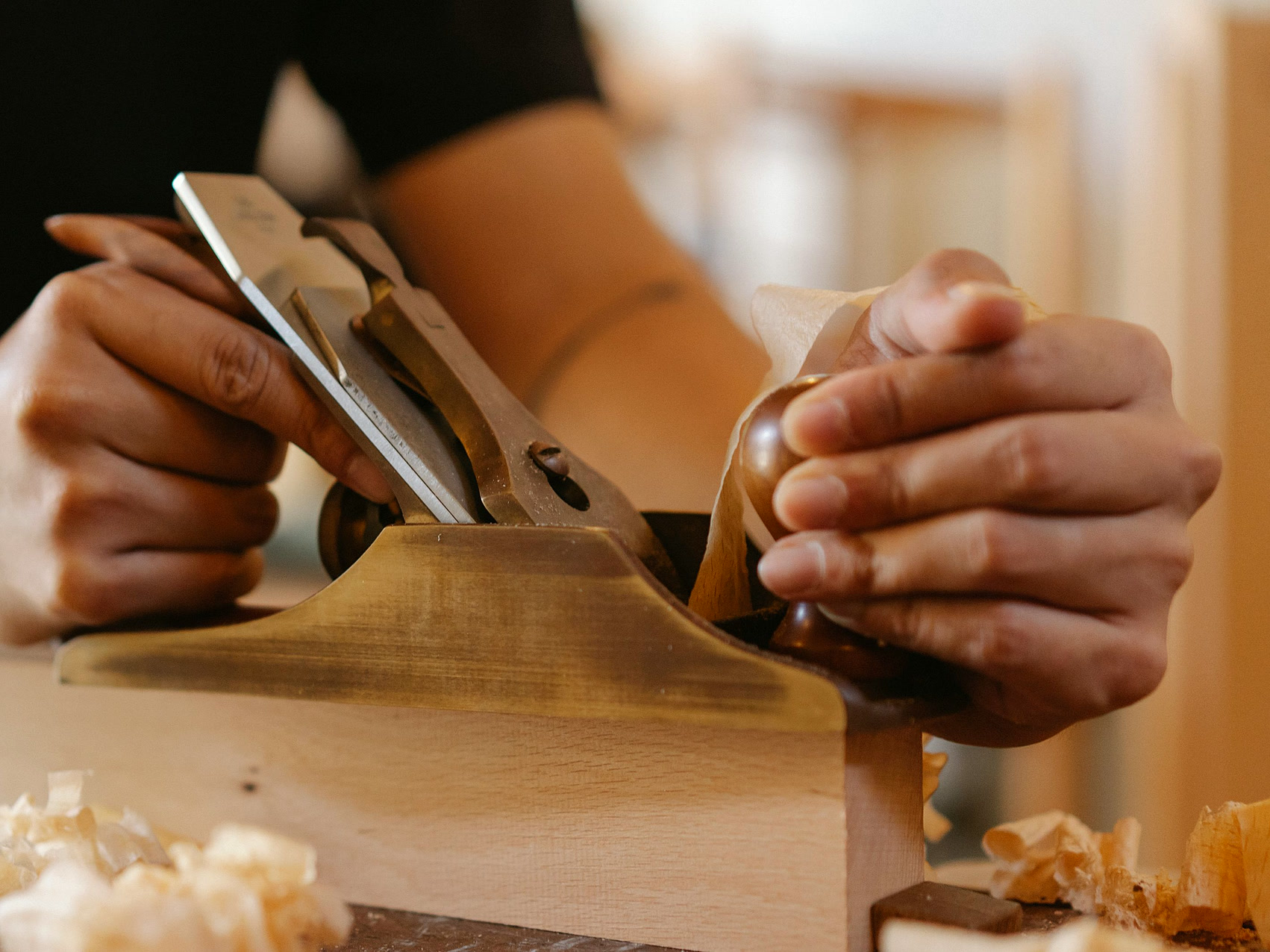
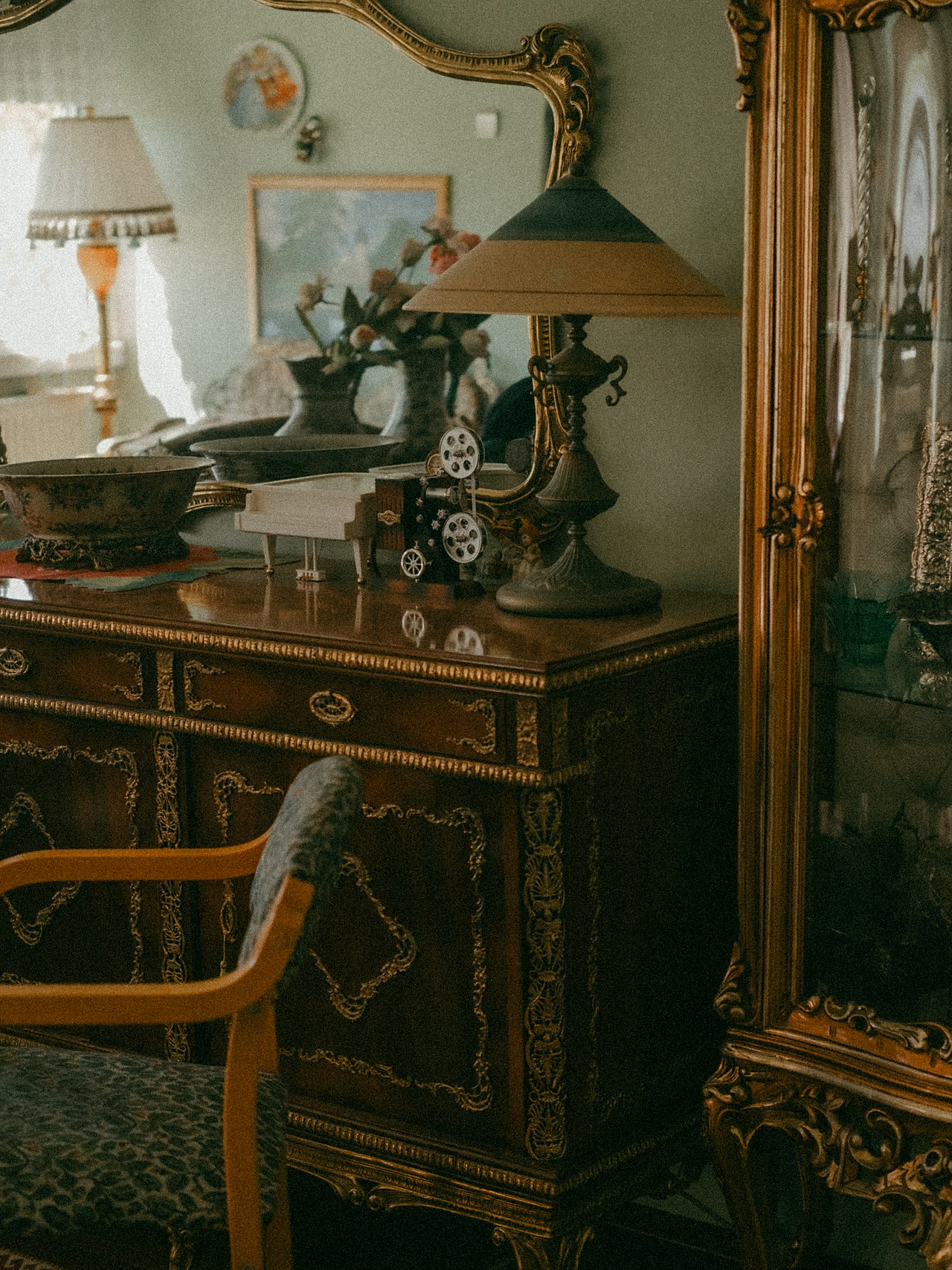
An entry should be read in one glance and remembered in one line. Give it a single strong piece — a console, a hall bench, a carved mirror — and keep the surrounding surfaces quiet. Entry furniture is seen at close range, in daylight and in artificial light, so this is the right place to judge finishing quality: the crispness of an edge, the evenness of a polished top, and whether a carved detail still reads when light rakes across it.
Circulation is the constraint no drawing tool warns you about. Check the clear walking width past the entry piece against the room’s door swings before anything is ordered.
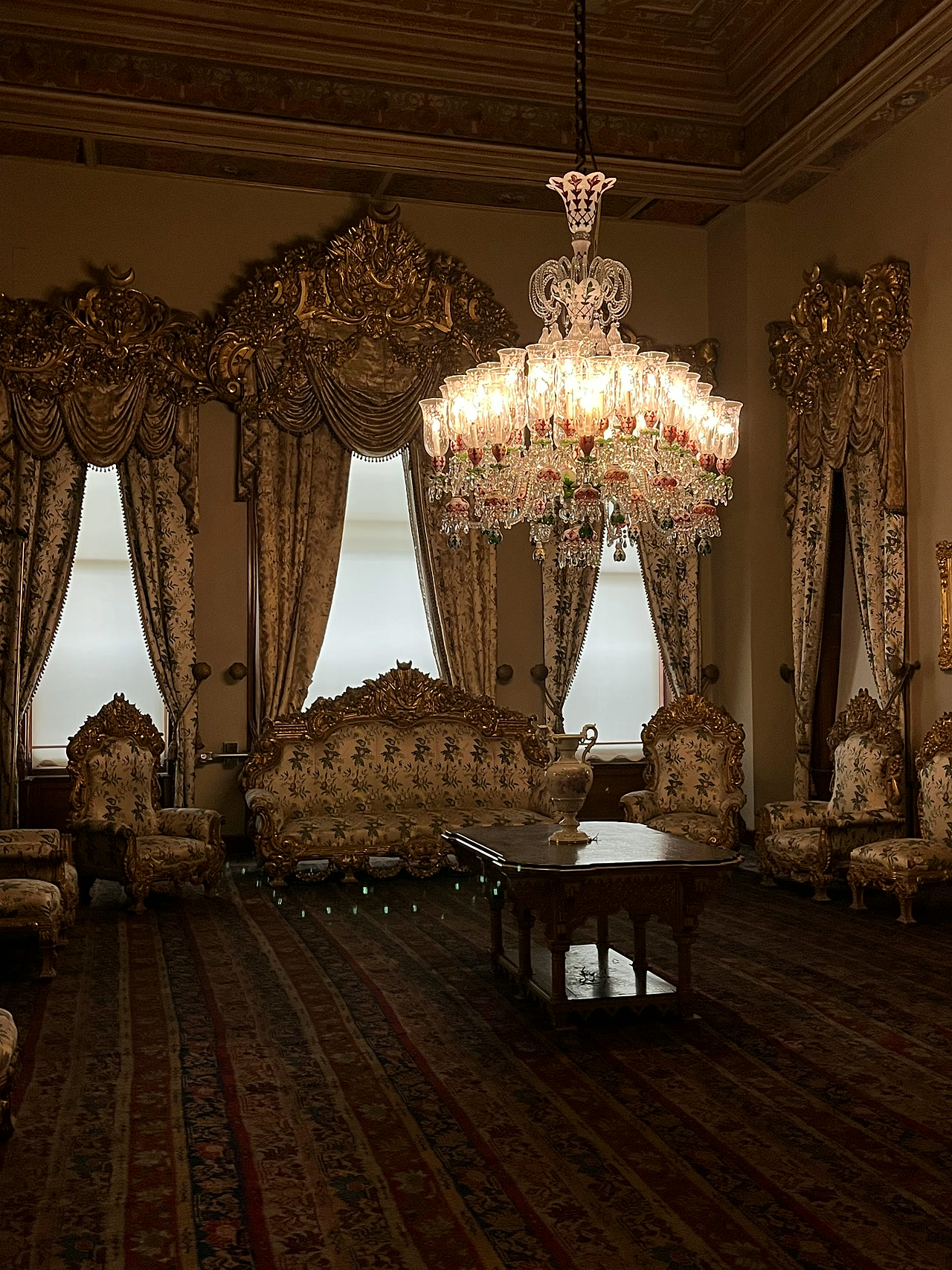
Nowhere in a house does classical carving carry better than a dining room, because the table is viewed from a low seated vantage point — guests look up at the apron and the chair backs.
The rule that keeps it from becoming heavy-handed: let the table and chairs carry the carving, and keep everything else in the room plain. A sideboard with a polished top and a quiet door front reads as restraint beside a carved pedestal table, not as poverty.
Scale matters more here than anywhere else. Confirm the finished table length against the clear length of the room, and confirm chair pull-out space before settling on the table’s depth — a table that seats ten is useless if eight people cannot push their chairs back.
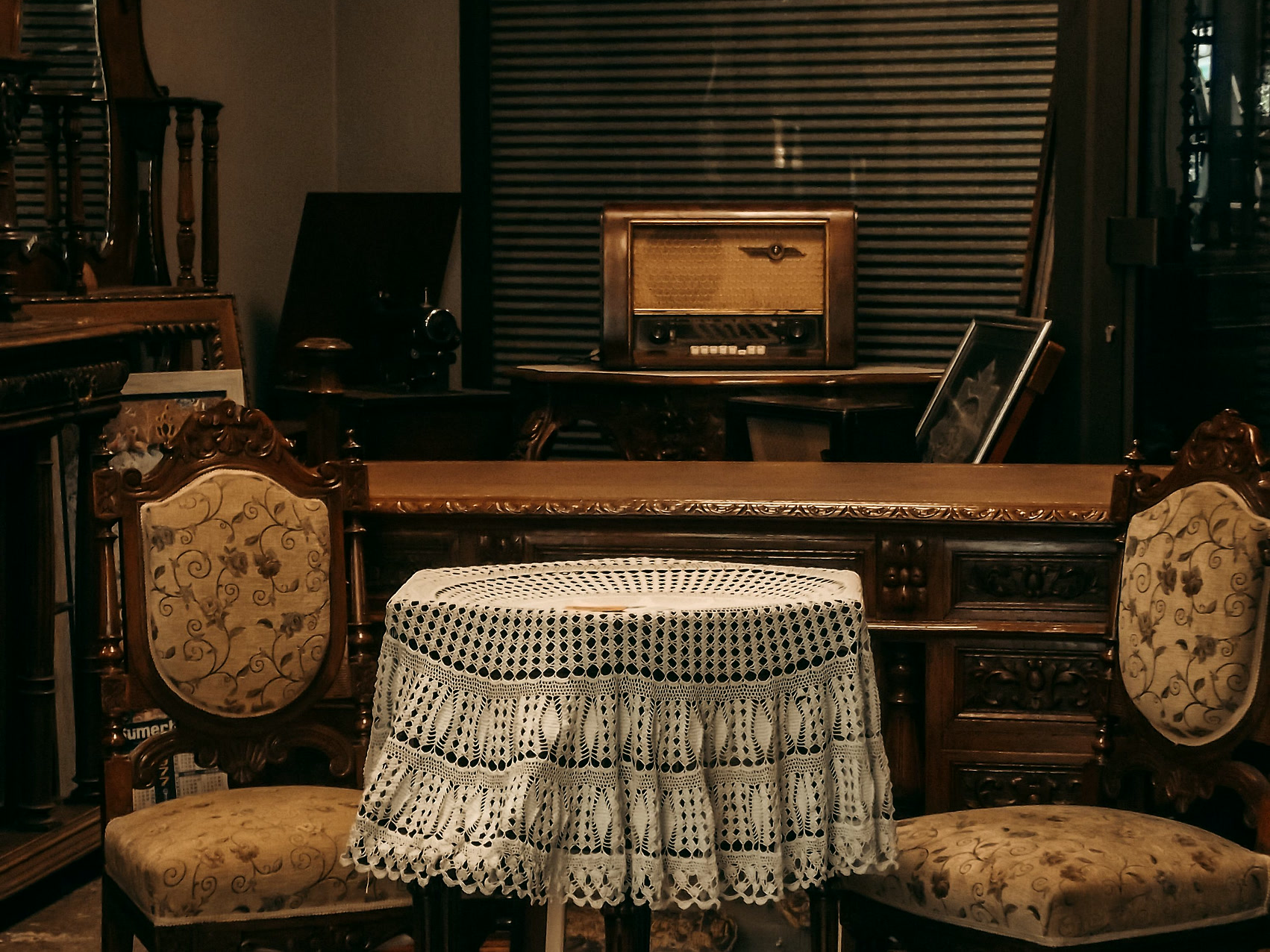
A living room usually carries the widest mix: a carved sofa, plain case goods, an upholstered accent chair, tables in another material. The trick is to give the carved piece a visual opponent. A low, plain coffee table and a quiet rug make carving read as deliberate; a second carved piece beside it reads as repetition.
Repeat one material from the most expensive piece elsewhere in the room at a smaller scale — the wood tone of the sofa frame on a side table, or the metal of the tufting buttons on a lamp base. It is a small move that makes an expensive room look considered.
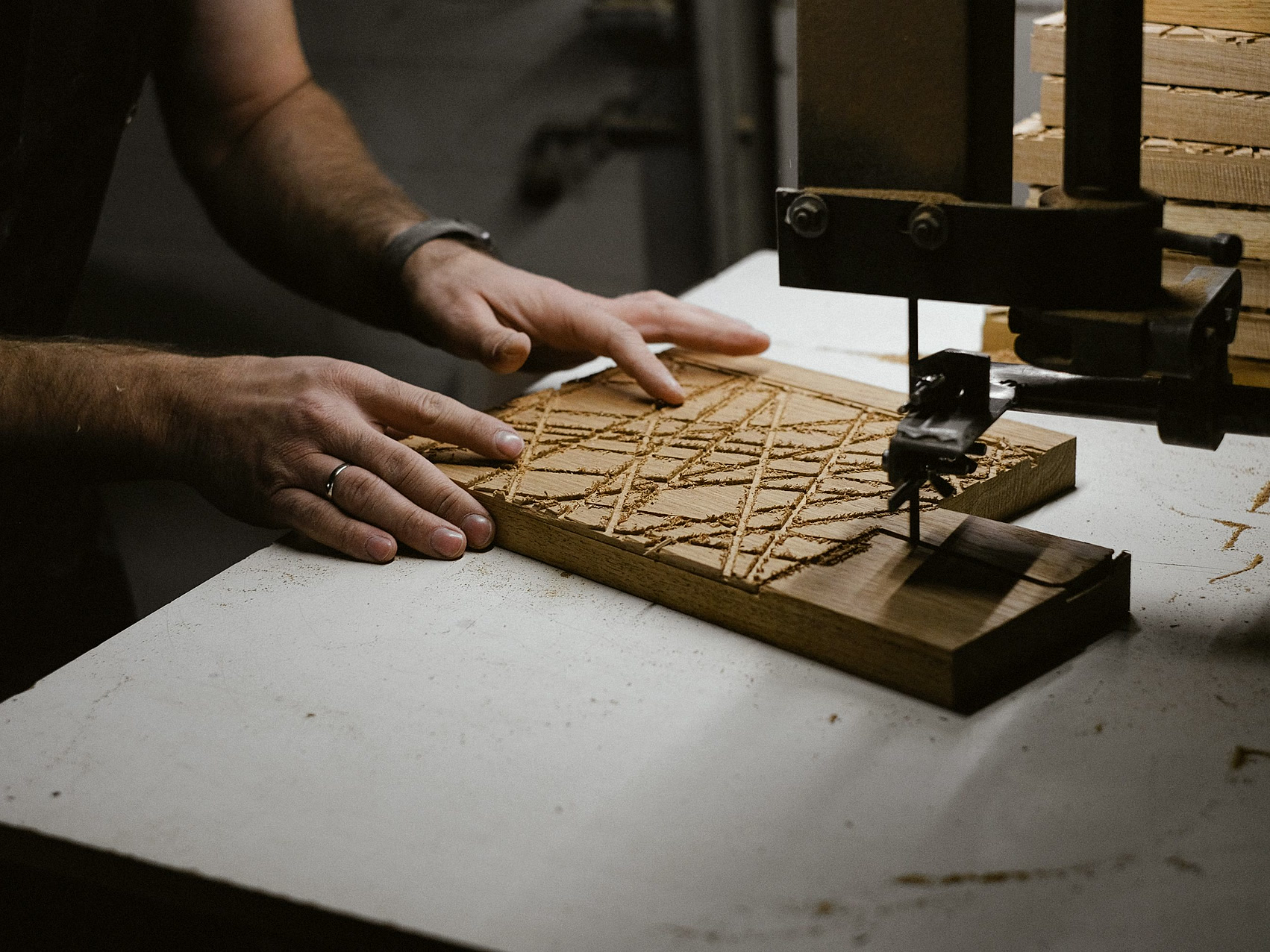
Bedrooms are where classical furniture most often goes wrong, because everything is seen from a seated position, at close range.
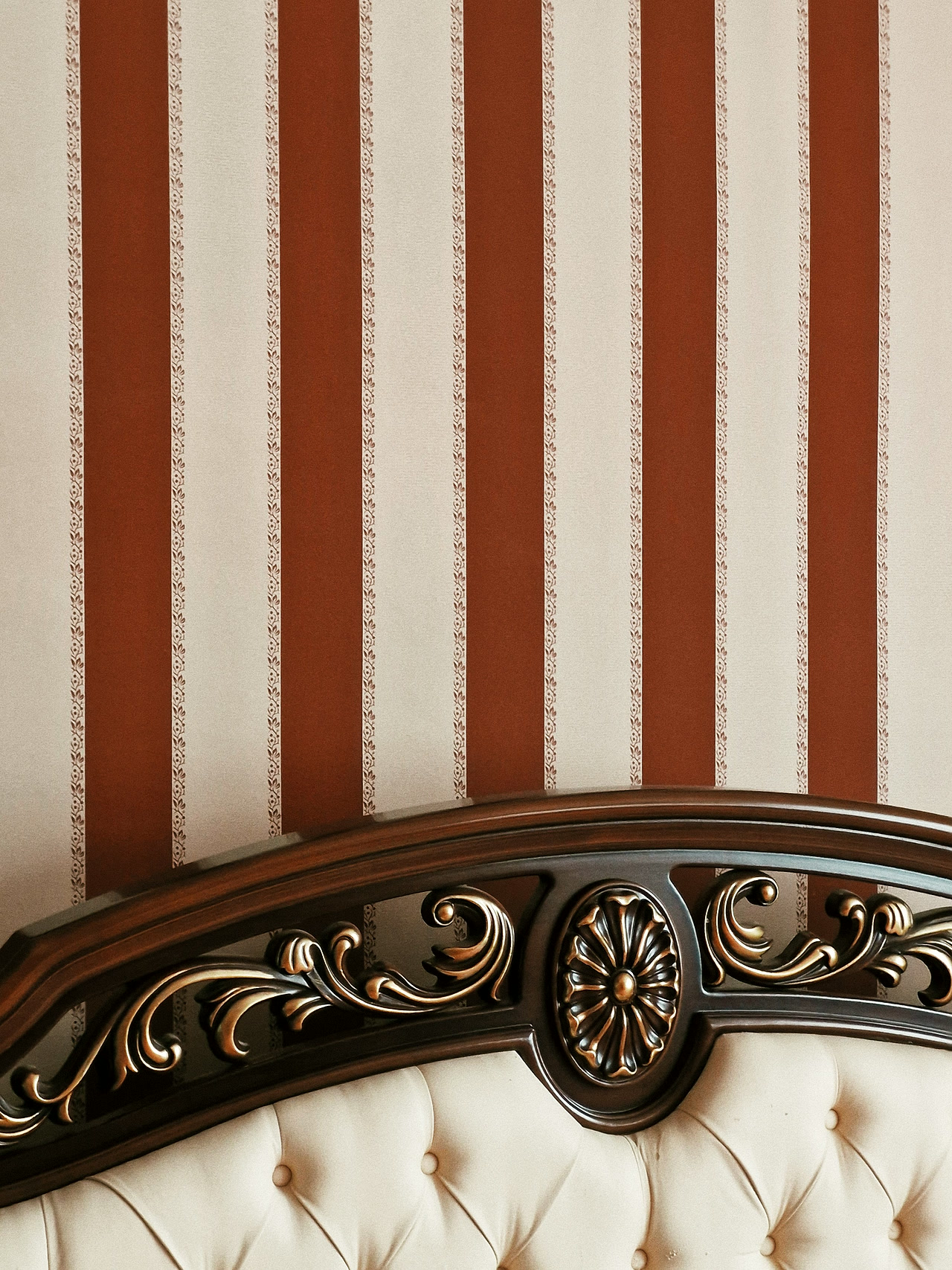
The headboard is the piece that decides the room. A hand-stitched diamond pattern gathers the fabric and holds its own shadow, so the depth stays even across a wide panel; a printed or heat-pressed pattern is flat, and reads as flat from the bed. Set the form of the frame first and stretch the fabric over it afterwards — that order is what keeps the seams even and the corners crisp once the cushions compress under use.
Around the bed, let joinery disappear. Raised-panel wardrobes and a vanity set into a niche should be finished to match the room’s primary wall treatment rather than announce themselves as furniture.
The private study is the one room where an elaborate surface is welcome, because it is looked at from a single, close seat. A marquetry top, a leather inset and a carved or turned leg all read at desk height — the distance at which a burl veneer or a gilt detail is actually looked at rather than passed.
Two practical notes. Confirm the desk depth against the chair you intend to use, and confirm that the drawer fronts have been matched across the run; on a commissioned study, grain that disagrees from drawer to drawer is the defect a client notices first.
Across all five rooms, the same four production checks decide whether a scheme will hold together:

Send us your floor plans, your room list and any reference images. We will come back with a matched specification — case goods, seating and joinery quoting from a single drawing set, in one wood tone and one hardware finish. Typical lead time is 25–30 days from confirmed order, with heavy items crated for shipping worldwide.
Contact EKAR FURNITURE.


